10 Everyday Home Upgrades to Lower Your Carbon Footprint
Reducing your carbon footprint at home is no longer just a trend—it’s an essential step toward a sustainable lifestyle. Many homeowners believe that cutting emissions requires large-scale renovations or expensive retrofits, but small, targeted upgrades can significantly reduce energy consumption, lower bills, and improve comfort. By focusing on energy efficiency, smarter heating and cooling solutions, water management, and strategic home improvements, you can make a tangible difference.
This guide covers ten practical upgrades you can implement year-round. Each improvement not only helps the environment but also enhances the comfort, convenience, and long-term value of your home.
1. Improve Insulation and Window Efficiency
Keeping your home well-insulated is one of the simplest and most effective ways to reduce energy use. Insulation slows heat transfer, meaning your heating and cooling systems don’t have to work as hard. While traditional insulation helps, combining it with home window tint provides added benefits. Tinted windows reduce heat gain in summer and help retain warmth during winter, decreasing reliance on air conditioning and heating.
Installing custom windows designed for energy efficiency can further enhance insulation. These windows often feature double or triple glazing and low-emissivity coatings, which limit heat transfer while still allowing natural light. Replacing older, single-pane windows with custom windows reduces drafts and prevents energy loss, making your HVAC systems more effective.
Regular maintenance is critical for long-term performance. Checking window seals, caulking gaps, and maintaining your home window tint ensures that energy savings remain consistent. Combining these efforts with proper insulation in walls and attics amplifies results, reducing energy consumption and lowering your carbon footprint significantly.
Even small adjustments, like adding thermal curtains or sealing gaps around frames, complement larger upgrades. By improving insulation and window efficiency, you’re taking a foundational step toward a more energy-conscious home.
2. Upgrade Heating and Cooling Systems
Heating and cooling typically account for nearly half of a home’s energy use. Upgrading these systems can dramatically reduce energy consumption. Mini split AC systems are an increasingly popular option because they allow for zoned heating and cooling. By controlling temperatures in individual rooms, homeowners avoid wasting energy on unoccupied spaces, which can significantly lower carbon emissions.
Working with a qualified air conditioning company ensures proper installation and maintenance of these systems. A professional can recommend the right size unit for each space, verify efficiency ratings, and schedule routine servicing to maximize performance. Combining a mini split AC system with smart thermostats allows for automated temperature adjustments based on occupancy, further reducing energy waste.
Additionally, integrating energy-efficient solutions with your existing home features, such as home window tint and custom windows, can enhance overall performance. When windows and doors retain heat or block excess sunlight, your upgraded HVAC systems work more efficiently, extending their lifespan and lowering operational costs.
Even minor improvements, such as cleaning air filters or sealing ductwork, can enhance HVAC efficiency. Regular upkeep paired with professional guidance from an air conditioning company ensures that your heating and cooling solutions contribute to both comfort and environmental sustainability.
3. Optimize Water Usage and Plumbing Systems

Water efficiency directly impacts energy consumption, as heating water accounts for a large portion of household energy use. Engaging local plumbers for a full inspection can identify leaks, inefficient fixtures, and outdated water heaters that increase energy use and water waste. Replacing old faucets or showerheads with low-flow alternatives saves both water and energy.
Upgrading to energy-efficient hot water systems or tankless heaters also reduces energy use. These systems heat water on demand, meaning they only consume electricity or gas when needed, unlike traditional tank systems. Proper installation and maintenance are essential, which is why partnering with experienced local plumbers ensures your system operates optimally.
In addition, coordinating plumbing efficiency improvements with an electrical repair service can enhance safety and efficiency. Many modern water heaters and pumps rely on electricity, so ensuring circuits and connections are up to code minimizes energy waste and prevents potential hazards.
Even small actions, such as fixing dripping faucets or insulating hot water pipes, make a measurable difference. By addressing plumbing and water efficiency, homeowners reduce energy consumption, save money, and decrease their overall environmental footprint.
4. Invest in Solar and Renewable Energy
Switching to renewable energy is one of the most impactful ways to lower your home’s carbon footprint. Solar panels generate electricity without emissions, and pairing them with energy-efficient solutions like home window tint helps further reduce energy consumption. The combination allows your home to stay cooler in summer and warmer in winter, reducing reliance on traditional HVAC systems.
Installing solar panels often involves structural changes, which is where a general contractor can provide expertise. They ensure that panels are securely mounted, integrated with your roof structure, and compliant with local building codes. Additionally, a certified electrical repair service ensures that the solar system functions safely and efficiently, connecting panels seamlessly to your home’s electrical network.
Homeowners may also consider solar water heaters to complement plumbing systems managed by local plumbers. These systems provide hot water without additional electricity consumption, offering both cost savings and environmental benefits.
Over time, renewable energy investments pay for themselves through reduced utility bills while significantly reducing your carbon footprint. When combined with other efficiency upgrades, such as mini split AC systems and energy-efficient custom windows, solar energy can transform your home into a model of sustainable living.
5. Enhance Your Home Exterior
The exterior of your home significantly affects energy efficiency. Engaging professionals for home exterior services can improve insulation, block drafts, and reduce heat loss. Simple actions such as sealing gaps around siding, repainting with reflective coatings, or upgrading insulation behind walls can have a substantial impact.
Maintaining the home exterior also complements other energy-saving upgrades. For instance, high-quality siding or cladding helps keep interiors cooler in summer and warmer in winter, enhancing the efficiency of HVAC systems or mini split AC units. Similarly, ensuring that doors are properly sealed during door repairs prevents heat from escaping, improving overall energy efficiency.
Even landscaping choices can contribute to energy savings. Planting trees for shade, adding pergolas, or installing energy-conscious exterior awnings work alongside professional home exterior services to reduce solar heat gain. A well-maintained exterior not only lowers energy use but also boosts your home’s curb appeal and structural longevity.
By investing in thoughtful exterior upgrades, homeowners can enhance comfort, cut energy consumption, and reduce their carbon footprint without major interior renovations.
6. Upgrade Doors and Entryways

Doors are often overlooked but play a crucial role in energy efficiency. Gaps, misaligned frames, or damaged seals can lead to significant energy loss. Scheduling door repairs ensures that air leaks are sealed, insulating properties are maximized, and overall home comfort is improved. Adding weatherstripping or installing insulated doors further reduces energy loss.
Incorporating custom windows near entryways enhances energy performance by allowing natural light while minimizing heat transfer. Older or inefficient windows can undermine the energy benefits of even the best door systems, making upgrades in both areas essential for a comprehensive approach.
Regular maintenance of doors, such as tightening hinges, replacing worn-out seals, and checking for warping, ensures that energy savings persist over time. These improvements not only improve comfort but also support the performance of other energy-saving systems like home window tint and mini split AC units.
Ultimately, investing in doors and entryways is a cost-effective way to reduce energy consumption while enhancing your home’s functionality and curb appeal. When paired with other upgrades, these measures have a compounding effect on your carbon footprint.
7. Add or Upgrade Sunrooms
Sunrooms offer natural light and passive solar heating, reducing the need for artificial lighting and heating. However, older sunrooms may be poorly insulated, which can lead to energy waste. Installing energy-efficient glazing and proper insulation ensures that the space contributes positively to your home’s sustainability.
A general contractor can ensure your sunroom is structurally sound and optimized for energy efficiency. Adding custom windows with high-performance coatings maintains comfortable temperatures year-round, while home window tint can prevent overheating during summer months. Proper ventilation also plays a role in energy management, keeping the sunroom comfortable without relying heavily on HVAC systems.
Routine maintenance, including door repairs and seal inspections, keeps the sunroom performing efficiently. By investing in well-designed sunrooms, homeowners create inviting spaces that also contribute to lower energy use and a smaller carbon footprint. This type of improvement demonstrates how thoughtful design choices can balance comfort, aesthetics, and sustainability.
8. Regular Electrical Maintenance
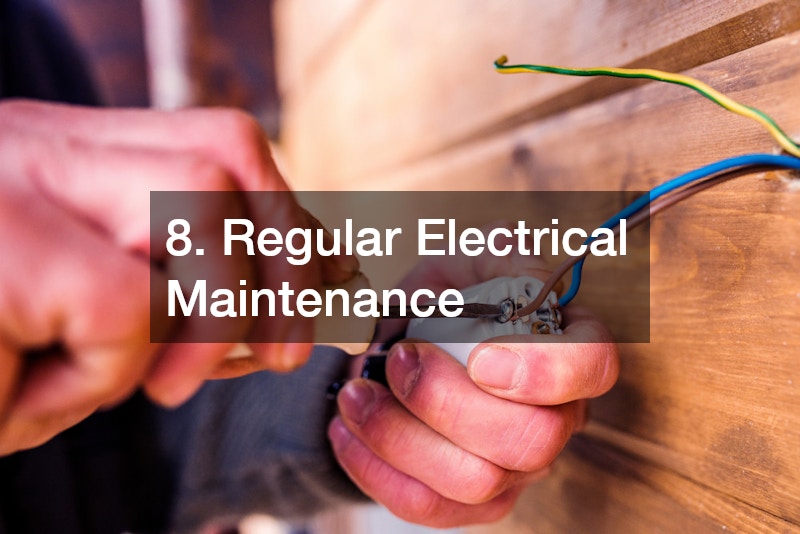
Energy efficiency starts with a safe, well-maintained electrical system. Scheduling regular inspections with an experienced electrical repair service prevents energy waste caused by faulty wiring, outdated panels, or poorly functioning outlets. Even minor issues, such as loose connections or inefficient appliances, can increase energy consumption over time.
Upgrading to energy-efficient lighting, smart outlets, or automated controls reduces electricity use while increasing convenience. When paired with HVAC improvements like mini split AC systems installed by an air conditioning company, electrical efficiency ensures that all household systems operate optimally.
Routine maintenance also extends the life of appliances, reduces the risk of costly breakdowns, and supports your home’s overall energy-saving strategy. By prioritizing electrical health, homeowners ensure that other upgrades, such as custom windows, home window tint, or sunrooms, perform efficiently.
9. Maintain Plumbing and Heating Systems
Maintaining plumbing and heating systems is essential for long-term energy efficiency. Hiring local plumbers to perform routine inspections can prevent leaks, improve water heater performance, and optimize water flow. Even small leaks waste energy by forcing water heaters to work harder to maintain the temperature.
Coordinating plumbing upgrades with an electrical repair service ensures that all connected systems function safely and efficiently. Efficient hot water delivery, insulation of pipes, and routine maintenance reduce energy use and water waste.
Well-maintained plumbing systems also complement other upgrades. Energy-efficient heating, cooling, and water systems reduce strain on mini split AC units and HVAC solutions, creating a holistic approach to energy savings. Proactive maintenance ensures that every system in your home contributes to reducing your carbon footprint.
10. Focus on Energy-Efficient Comfort Features
Adding energy-efficient comfort features improves quality of life while lowering energy consumption. Installing home window tint reduces heat gain, minimizing air conditioning usage, while updating doors or custom windows helps regulate indoor temperatures. Exterior upgrades from home exterior services also protect your home from energy loss.
When constructing or enhancing spaces like sunrooms, hiring a general contractor ensures insulation, ventilation, and energy-saving elements are correctly implemented. Regular door repairs, upkeep from an electrical repair service, and routine HVAC servicing by an air conditioning company ensure these features operate efficiently for years.
Energy-efficient comfort upgrades allow homeowners to enjoy modern living while minimizing environmental impact. A strategic combination of these features demonstrates that lowering your carbon footprint doesn’t require sacrificing style or convenience.
Reducing your carbon footprint at home is both achievable and practical, even without completely overhauling your property. Simple upgrades, when thoughtfully combined, can make a significant difference in energy consumption and environmental impact. Enhancing insulation with home window tint and investing in custom windows helps stabilize indoor temperatures, reducing the workload on heating and cooling systems. Meanwhile, maintaining plumbing systems with local plumbers ensures water is used efficiently, and having your electrical setup inspected and serviced by an electrical repair service prevents energy loss from outdated or faulty wiring. Every action, no matter how small, contributes to a more energy-conscious home.
Upgrading to energy-efficient solutions such as mini split AC units or hiring an air conditioning company for professional installation can further cut energy usage while improving comfort throughout your home. Structural improvements, including door repairs, the addition of sunrooms, and broader home exterior services, not only enhance the aesthetic appeal of your property but also play a crucial role in creating a sustainable, energy-efficient environment. These measures collectively reduce utility costs, protect your home from unnecessary energy loss, and increase long-term property value.
By taking a comprehensive and strategic approach to home upgrades, homeowners can turn sustainability into a lifestyle rather than a one-time project. Each improvement—whether it’s maintaining existing systems, installing energy-efficient features, or enhancing structural components—adds up to meaningful environmental benefits. The cumulative effect of these thoughtful upgrades proves that everyday choices in your home can have a lasting, positive impact on the planet, helping you live more sustainably while enjoying the comfort, efficiency, and peace of mind that come with a greener home.